

For things to do in Gwalior in one day, start at Gwalior Fort, visit the Saas-Bahu temples within its grounds, then choose Jai Vilas Palace or the city’s market area. The fort alone can take several hours, so plan the rest around your priorities and check opening schedules before setting out.
- First stop: Gwalior Fort, a hilltop complex of palaces, temples and water tanks.
- Allow: Around 3–4 hours for the fort.
- Temple visit: The Saas-Bahu temples are inside the fort complex.
- Later choice: Jai Vilas Palace and Museum, or a market-area break.
At a glance
6 places · swipe
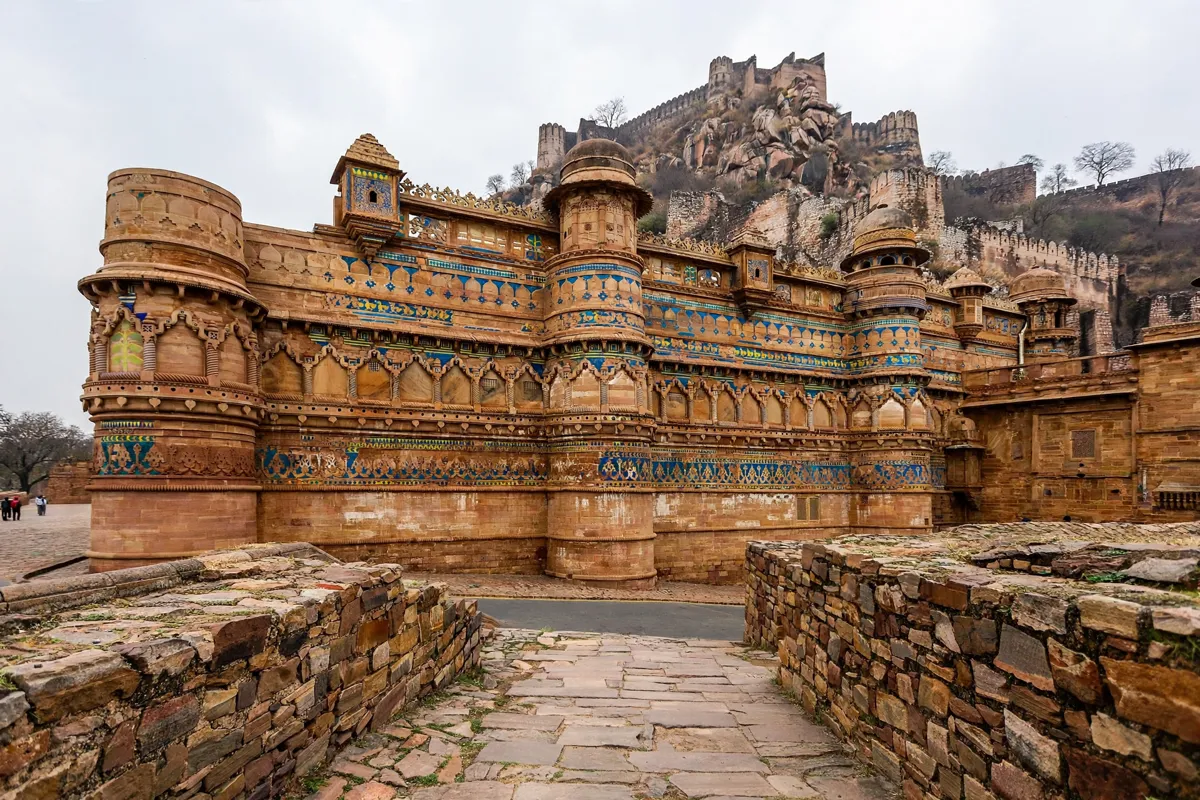 01Start with Gwalior FortGwalior Fort is the most substantial stop in this one-day Gwalior itinerary, with palaces, temples and…
 02Add the Saas-Bahu TemplesThe Saas-Bahu temples are two 11th-century monuments within Gwalior Fort, so they fit naturally into the…
 03Choose a museum or heritage stopJai Vilas Palace and its museum make a strong second major stop if you want to add a heritage visit beyond…
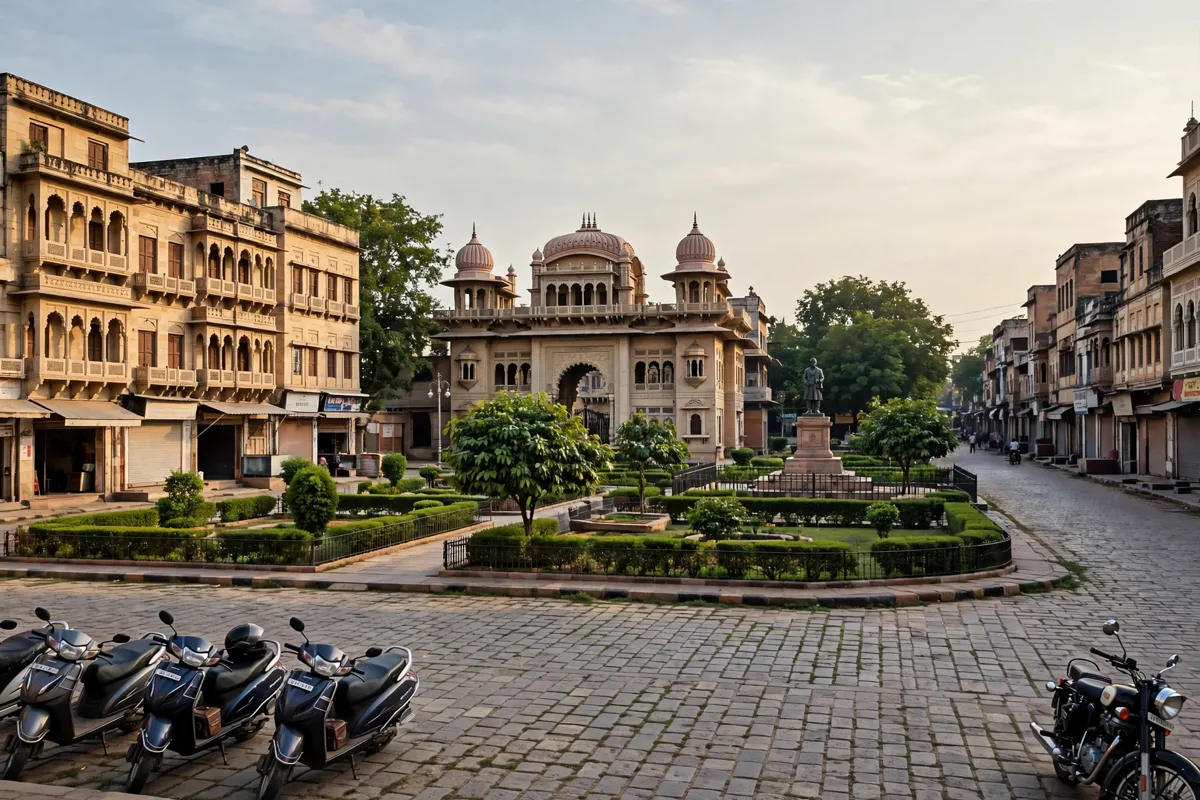 04Plan a market-area breakMaharaj Bada and the surrounding bazaars offer a different kind of stop, focused on shopping streets…
- 05Check timings and transport before you goOpening schedules and transport choices determine how much you can fit into a day in Gwalior.
- 06FAQsAllow around 3–4 hours for the fort.
Start with Gwalior Fort
Gwalior Fort is the most substantial stop in this one-day Gwalior itinerary, with palaces, temples and water tanks spread across a hilltop complex. From The Bellevue, the fort is about 44 minutes by car, making it sensible to begin here before adding sights elsewhere in the city.
Allow around 3–4 hours for a visit. Man Mandir Palace is one of the fort’s highlights, known for its blue ceramic-tile facade; other notable places include Teli Ka Mandir and Gujari Mahal Museum. The fort is open 6:00 AM–5:30 PM. Admission is ₹75 for Indian visitors and ₹250 for foreign visitors; confirm current prices at the venue.
For more detail on planning time inside the complex, read the Gwalior Fort practical visitor guide.
Add the Saas-Bahu Temples
The Saas-Bahu temples are two 11th-century monuments within Gwalior Fort, so they fit naturally into the same visit rather than requiring a separate trip across town. Built from carved red sandstone, the larger temple is dedicated to Vishnu and the smaller to Shiva.
Visit them while exploring the fort, keeping the 3–4-hour estimate for the fort in mind. Temple visiting hours are listed as 8:00 AM–5:00 PM, with free entry; this is not an official venue schedule, so verify arrangements before you go.
The Saas-Bahu temples and Jain rock carvings guide covers the temple group and nearby heritage.
Choose a museum or heritage stop
Jai Vilas Palace and its museum make a strong second major stop if you want to add a heritage visit beyond the fort. The palace remains the Scindia family residence, while about 25 rooms have been converted into the Jivaji Rao Scindia Museum.
The museum’s collection includes a silver train with cut-glass wagons, silver dining services, antique furniture and royal memorabilia. The palace is Italianate, combining Tuscan and Corinthian architectural modes; its Darbar Hall has two central chandeliers.
The palace and museum are open 10:00 AM–5:00 PM, with conflicting published schedules naming Monday or Wednesday as the weekly closing day.
A government tourism planning document lists tickets at ₹60 for Indian nationals and ₹350 for international visitors, but the current fee may differ from the ticket counter’s price. A visit takes about 1.5–2 hours. Check the current schedule before planning your visit.
For the palace and collection, see the Jai Vilas Palace and Scindia Museum guide.
Plan a market-area break
Maharaj Bada and the surrounding bazaars offer a different kind of stop, focused on shopping streets rather than monuments. Sarafa Bazaar is associated with lacquer work, handmade carpets and carved metal storage boxes; Patankar Bazaar, Bada Market and Topi Bazaar are other shopping areas.
Keep the market visit flexible after the fort and, if you choose it, Jai Vilas Palace. Local transport options include tempos, auto-rickshaws, buses and taxis, but no specific route connects the fort, palace and markets. The Maharaj Bada and Gwalior bazaar streets guide covers this market area.
Check timings and transport before you go
Opening schedules and transport choices determine how much you can fit into a day in Gwalior. The fort and temples sit within the same complex; Jai Vilas Palace and the markets are separate stops, so avoid treating every attraction as a quick visit.
Gwalior railway station is southeast of the fort area; the state bus stand is on Link Road near the station, while the private bus stand is in Lashkar. Gwalior has rail links via the Delhi–Mumbai and Delhi–Chennai main lines.
For an evening extension, the Gwalior Fort light-and-sound presentation is listed at 7:30–8:05 PM in Hindi and 8:20–8:55 PM in English, with seasonal schedule changes possible.
Tickets are ₹250 for Indian adults and ₹700 for foreign adults; child rates are ₹100 for Indian children aged 5–12 and ₹350 for foreign children aged 5–12. The Bellevue is a 3-star hotel in Gwalior, and a hotel in Gwalior.
Before you go: Check the official site before you go for current schedules and seasonal changes, and confirm ticket prices at the venue. Flight services from Delhi and Indore may change, so check beforehand.
FAQs
How long should you allow for Gwalior Fort?
Allow around 3–4 hours for the fort. The Saas-Bahu temples are inside the complex and can be included during that visit.
Are the Saas-Bahu temples inside Gwalior Fort?
Yes. They are 11th-century monuments within the fort complex, with the larger temple dedicated to Vishnu and the smaller to Shiva.
Is Jai Vilas Palace open every day?
Published schedules conflict on the weekly closing day, naming Monday or Wednesday. Check the current schedule before planning your visit.
Can you visit Gwalior Fort in the evening?
Hindi and English light-and-sound presentations are scheduled in the evening, with seasonal schedule adjustments possible. Confirm current timings before making this part of your plan.